
Journal/November 2025 · 6 min
CO₂ Laser Recovery: What to Expect Day by Day
Fractional CO₂ delivers the deepest resurfacing available — with a real recovery period. Here's what each day actually looks like and how to protect your result.
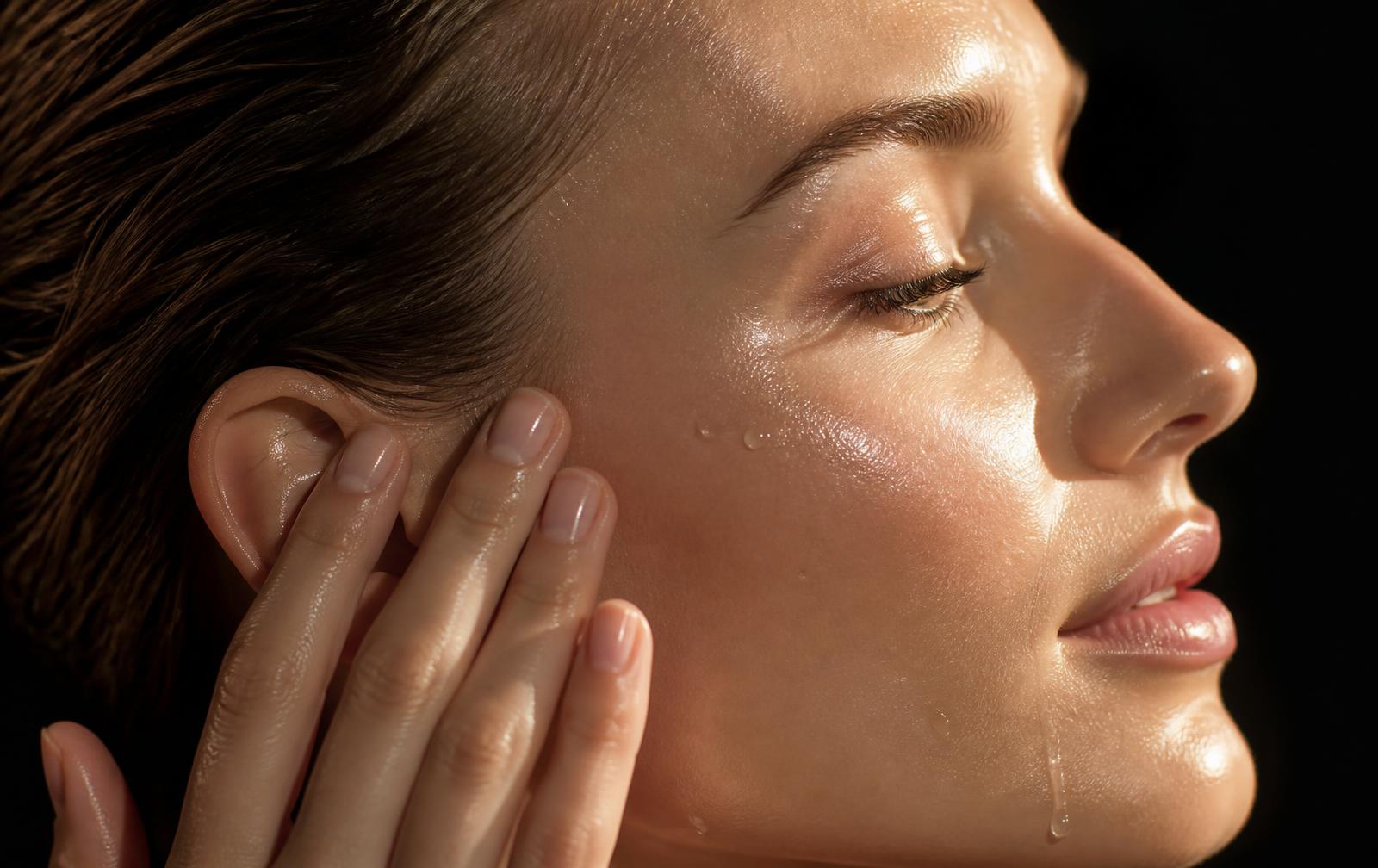
Fractional CO₂ laser resurfacing produces the most dramatic single-session improvement of any non-surgical skin treatment. It's also the treatment with the most involved recovery — five to seven days of visible healing, followed by three to six months of progressive collagen remodeling underneath. Knowing what each day of that recovery actually looks and feels like helps you plan, prevent complications, and get the full result you paid for.
Looking for the treatment itself? See our CO₂ Laser in San Antonio — Pigmentation & Resurfacing at THEIA page for pricing guidance, protocol details and booking.
Day 0 — the treatment day
The session itself takes 30 to 60 minutes depending on treatment area, following topical anesthesia. Your skin will feel hot — like a strong sunburn — and be visibly red immediately after. A protective occlusive ointment is applied before you leave.
You'll rest for the remainder of the day, apply cold compresses (not ice directly), sleep slightly elevated to reduce swelling, and avoid any facial products beyond what your provider prescribes.
Days 1–2 — peak inflammation
Redness intensifies and swelling peaks — this is normal and expected. Your face may look sunburned and slightly puffy, particularly around the eyes. You'll continue applying the prescribed ointment and gentle cleansing per your provider's protocol.
This is not the time for makeup, active skincare, hot water, exercise, alcohol, or direct sun exposure. Stay indoors, hydrate aggressively, and rest.
Related at THEIA: Microneedling in San Antonio — Dermapen at THEIA · Radiofrequency Skin Tightening in San Antonio at THEIA.
Days 3–4 — micro-crusting and 'sandpaper skin'
The treated skin develops a fine bronzing and micro-crusting — the sign that the fractional micro-columns are healing. Your face will feel like sandpaper. Do not pick, exfoliate, or scrub. Skin will begin to shed on its own in patches.
Continue gentle cleansing and occlusive ointment or moisturizer per your recovery protocol. Some patients begin taking mineral SPF at this stage if their provider has cleared it.
Days 5–7 — the reveal
Most of the crusting sheds and your new skin surface is revealed — pink, tight, and dramatically smoother. Redness persists but is now cosmetically manageable with a mineral tinted SPF or gentle mineral makeup.
Many patients return to work at this point. Vigorous exercise, saunas, hot yoga, and direct sun exposure remain off-limits for another 1 to 2 weeks.
Weeks 2–6 — the residual pink phase
A rosy background flush persists for two to six weeks depending on your skin. It's fully cover-able and fades progressively. This is when you'll start to appreciate the surface change — pigmentation is lighter, texture is smoother, pores appear tighter.
SPF 50+ every single day, without exception, is non-negotiable at this stage. Sun exposure on healing CO₂ skin causes long-lasting pigmentation.
Months 3–6 — the deeper result
The surface result you saw at week two is only the top layer. The deeper win — collagen remodeling — happens progressively over three to six months. Skin quality continues to improve: firmness, texture, pore appearance, and residual pigmentation all refine.
This is why CO₂ is usually a once-a-year or once-every-few-years treatment for most patients, not a series.
How to protect your result
Three habits protect the result long-term: daily broad-spectrum SPF 50+, consistent use of a topical retinoid once your skin has fully healed, and one to two annual gentler resurfacing treatments (microneedling, gentle IPL) between full CO₂ sessions.
At THEIA, CO₂ patients receive a written recovery plan, prescribed post-care products, and a follow-up review at two weeks and at three months to monitor healing and remodeling.
Questions
Frequently asked.
How much downtime should I plan?
Plan for 5 to 7 days of visible social downtime and an additional 2 to 4 weeks of residual pink that is fully cover-able with mineral makeup or SPF.
Can I do CO₂ on darker skin?
Fractional CO₂ can be performed on Fitzpatrick I–IV skin with careful settings and post-inflammatory hyperpigmentation prevention protocols. It is generally not recommended for Fitzpatrick V–VI without extensive pre-treatment.
How many sessions do I need?
Most patients see the full result from one well-executed session and repeat every 1 to 3 years. Some deeper indications may benefit from a second session at 6 to 12 months.
Is CO₂ safe under the eyes?
Yes, at appropriate settings and with corneal shields in place. Under-eye CO₂ is one of the strongest non-surgical treatments for crepey lower-lid skin.
Continue reading
More from the journal.
Begin with a consultation.
Every treatment at THEIA begins with a medical consultation and good faith examination.